

Our Network
The operator-built radio, core, spectrum, and monitoring behind your connection.
Built here, not rented from a vendor
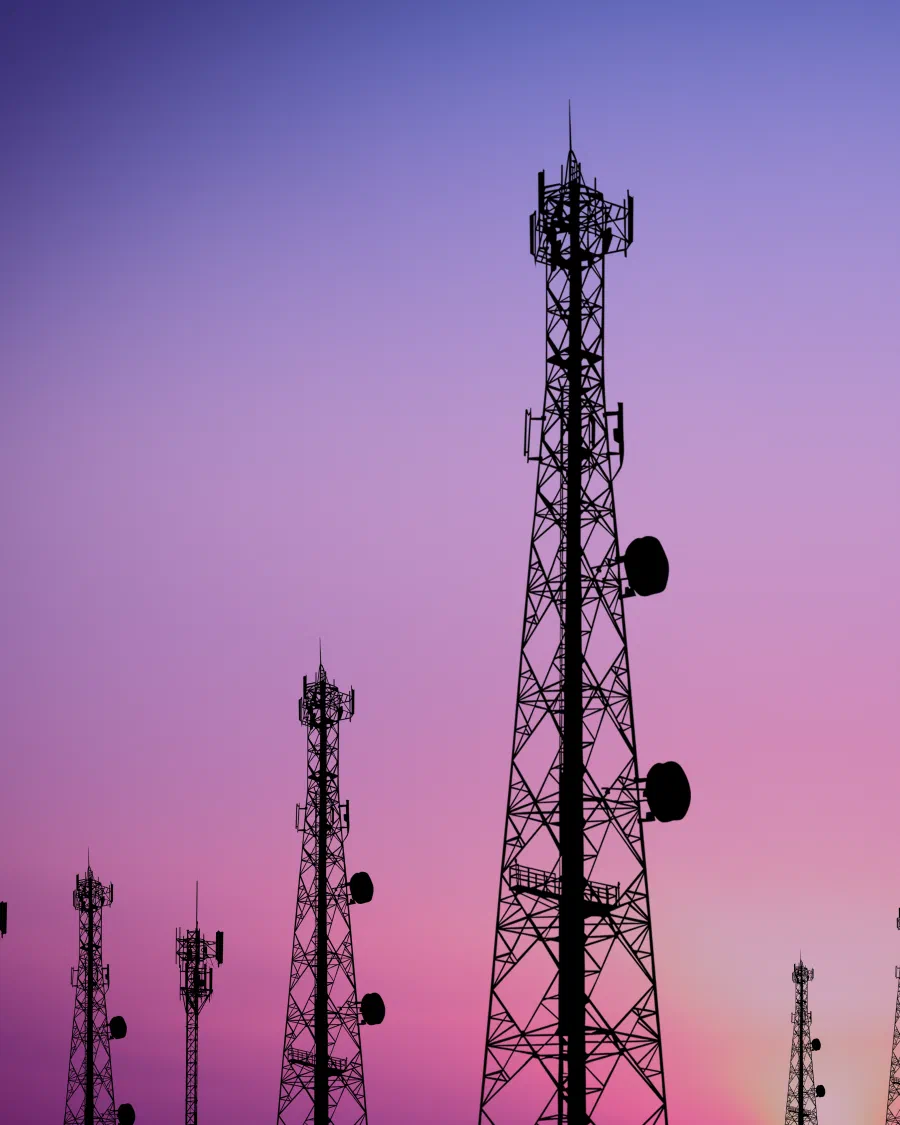
Nimbus is not a reseller and it is not run from a corporate office in another state. The network is designed, built, and operated right here in Southwest Colorado, with the engineering hub based out of the Mancos makerspace. The same people who plan the towers answer the phone when you call.
Many internet companies in rural markets install the equipment a vendor sold them and stop there. Nimbus works deeper in the stack. We design the radio network, tune the Nokia equipment, engineer the core, operate our own public internet network, and maintain the field sites ourselves.
Operator experience at the controls
Founder Michael Halls has been building wireless networks in this region since the Webber Canyon and Mancos-area work that predated Nimbus. That field experience matters. This network was not designed on a slide deck. It was built tower by tower, canyon by canyon, for the terrain where our customers actually live.
Licensed spectrum, not just open WiFi
Plenty of wireless providers fight over the same crowded unlicensed airwaves. Nimbus operates on licensed spectrum and CBRS, including Priority Access Licenses where available. That gives the network more control over interference, which is what makes reliable service possible deep into canyons, rural valleys, and high-desert country.

Carrier-grade radio access
Nimbus runs modern, carrier-grade hardware rather than consumer gear:
- Nokia AirScale LTE and 5G radios on licensed and CBRS spectrum
- 4x4 MIMO, 256-QAM, and carrier aggregation where the radio path supports it
- Carrier aggregation tuned in the field for real-world speed and capacity
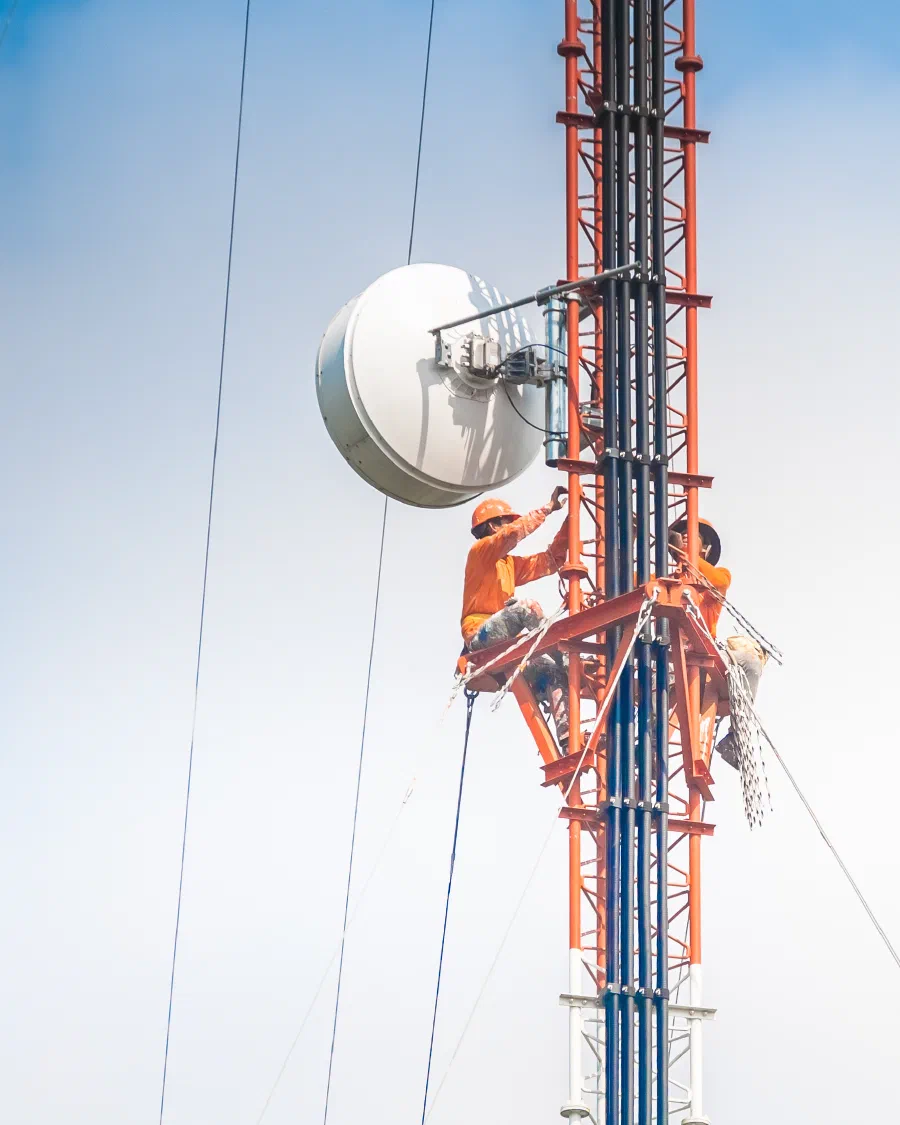
- 60 GHz mmWave access points and 60/80 GHz (E-band) mmWave backhaul where high-capacity wireless links make sense
- Solar-powered tower sites with battery backup and redundant backhaul
At your place, a small outdoor receiver links your home or business to the tower. No trenching, no buried cable.
Backhaul built for terrain
The tower network has to move traffic between towns, valleys, and mountain paths before it ever reaches the broader internet. Nimbus uses high-capacity point-to-point links, licensed microwave, and 60/80 GHz (E-band) mmWave backhaul where the design calls for it, including links built for multi-gigabit capacity across difficult terrain.
A real network on the public internet
Nimbus operates its own autonomous system, AS397279, with redundant upstream connections so traffic keeps flowing even if one path goes down. You can look us up on the global routing tables anytime.
Core engineering in-house
The core is the part of an LTE and 5G network that authenticates subscribers, manages sessions, routes traffic, and keeps the radio network tied to the internet. Nimbus works at that level, not just at the antenna level.
That engineering shows up in three places:
- Open5GS production experience, tuned for real customers
- Rapid5GS Pro, built for The Edge Mile and used in production work
- Thorium, Nimbus’s clean-room 4G LTE EPC and 5G standalone core, now in testing
That matters because the network is not locked inside a vendor black box. When something needs to be measured, tuned, rebuilt, or fixed, Nimbus has the engineering depth to do it.
5G SA moving into the field
Nimbus is also pushing 5G standalone from lab work into field use. The first verified 5G SA field run for a real customer, Skypacket, is scheduled for late June 2026. That is the kind of work that separates an operator building the network from a reseller waiting on a vendor roadmap.
Standards work and spectrum knowledge
Nimbus brings FCC auction experience, 2.5 GHz licensing, and Band 53 specification work in collaboration with Hawk Networks and Global Telecom. Those credentials matter because spectrum planning, standards work, and field engineering all affect how reliable the customer connection can be.
Built by an operator who consults on this
The same expertise that runs this network is available to others. Nimbus founder Michael Halls offers LTE and 5G network consulting for operators building private networks, rural broadband systems, and production mobile cores.

Monitored from core to customer
A network this spread out cannot be run by waiting for customers to call. Nimbus monitors roughly 3,000 devices across tower sites, core systems, links, and customer endpoints so problems can be found closer to where they start.
That means signal quality, connection state, tower health, backhaul paths, and core behavior are watched as part of one operating system, not as disconnected pieces.
AI-assisted operations, expert-directed
Nimbus uses automation and AI-assisted triage to help watch the network, surface patterns, and speed up diagnostics. The judgment still comes from the people who built the network. The automation gives them better visibility and faster response.
The practical result
For customers, all of this engineering has one purpose: fast, reliable internet in places the big providers often skip. The towers, spectrum, core, routing, backhaul, monitoring, and local support all point at the same thing: a rural network built by people who have to keep it working every day.
Frequently asked
What makes Nimbus one of the most advanced internet providers in Southwest Colorado?
Is Nimbus a reseller?
Does Nimbus use licensed or shared spectrum?
How does Nimbus reach rural homes without fiber?
Does Nimbus build network technology for other operators?
Who provides internet service in Durango, Cortez, Mancos, Dolores, Hesperus, and Mesa Verde?
Let's get you online
Tell us where you need service and a local team member will reach out to confirm coverage and walk you through next steps. No contracts, no pressure.